
Moving Beyond GLP-1: The Next Wave of Innovation in Obesity Treatment
The obesity therapeutics landscape is evolving at an unprecedented pace. While GLP-1 receptor agonists and incretin-based therapies continue to dominate both clinical practice and industry investment, the conversation is clearly shifting.
At this year’s Obesity & Weight Loss Drug Development Conference, we have intentionally designed the agenda to reflect not just where the market is today, but where it's going next.
Beyond First-Generation GLP-1s
There is no question that GLP-1s have reshaped the treatment paradigm for obesity. Their impact on weight loss outcomes and cardiometabolic health has been transformative, and they remain central to both clinical and commercial strategies.
However, as the field matures, so too does our understanding of their limitations. Challenges around muscle loss, long-term adherence, durability of effect, and post-treatment weight regain are increasingly coming into focus.
As a result, the industry is entering what many are calling the “second wave” of obesity innovation, and that's where this year’s summit places its emphasis.
Key Themes Shaping the Future of Obesity Therapeutics
A significant portion of the program is dedicated to exploring emerging approaches that extend beyond, complement, or may ultimately rival first-generation GLP-1 therapies:
1. Novel Biological Pathways
Researchers are actively investigating non-GLP-1 mechanisms that target entirely new metabolic pathways. These approaches aim to unlock additional efficacy while addressing limitations seen with current therapies.
2. High-Quality Weight Loss & Muscle Preservation
The conversation is shifting from simply reducing body weight to achieving “high-quality weight loss”, preserving lean muscle mass while reducing fat. This represents a critical step toward improving patient outcomes and long-term metabolic health.
3. Thermogenesis and Energy Expenditure
Innovations targeting energy expenditure, rather than appetite suppression alone, are gaining traction. These include approaches designed to enhance thermogenesis and increase metabolic rate, offering a complementary pathway to weight reduction.
4. Long-Term Maintenance & Rebound Prevention
Sustainable treatment is now a central focus. Sessions will explore maintenance strategies and interventions designed to prevent rebound weight gain after discontinuation, one of the most pressing challenges in obesity care today.
5. Oral and Non-Injectable Therapies
The push toward oral small molecules and non-injectable options reflects the need for more accessible, scalable, and patient-friendly treatments.
6. Next-Generation Modalities
Cutting-edge platforms such as:
- RNA and gene-silencing technologies
- DNA-encoded therapeutics
are opening entirely new possibilities for precision metabolic interventions.
7. Beyond BMI: Functional Metabolic Health
The field is moving beyond a narrow focus on weight or BMI reduction toward broader measures of metabolic health, function, and disease modification.
Spotlight on Emerging Innovators
The summit will feature dedicated sessions from pioneering companies advancing these next-generation approaches, including:
- SciTherm Bio – exploring thermogenic lipid degradation pathways
- Energesis Pharmaceuticals – focused on brown fat activation and metabolic rate enhancement
- Canary Cure – developing siRNA-based therapies for obesity
- Syntis Bio – advancing oral technologies that mimic gastric bypass mechanisms
- RenBio – pioneering DNA-encoded metabolic therapeutics
- Cirius Therapeutics – investigating mitochondrial reprogramming strategies
These companies exemplify the diversity of innovation now shaping the future of obesity treatment.
Rethinking the Role of GLP-1s
Importantly, even discussions centered on GLP-1 therapies are evolving. Rather than focusing solely on their benefits, many sessions examine how to:
- Mitigate muscle loss
- Improve durability of response
- Enhance patient adherence
- Support transition into long-term maintenance strategies
In this sense, GLP-1s are no longer the end point, they are part of a broader, more sophisticated therapeutic ecosystem.
A Market in Transition
The current landscape can be summarised simply:
- GLP-1s remain clinically and commercially dominant
- But the innovation spotlight has shifted to what comes next
This evolving balance was a key consideration when shaping this year’s agenda. As the field moves beyond rapid weight loss toward sustainable metabolic disease modification and long-term cardiometabolic health, the need for new approaches has never been clearer.
Join the Conversation
The Obesity & Weight Loss Drug Development Summit offers a unique opportunity to engage with the full spectrum of innovation, from established leaders to emerging disruptors, all working toward the next generation of therapies.

Explore the Agenda
Hear the latest industry breakthroughs and gain exclusive insights during our packed agenda, interactive roundtables, and panel discussions.

Partner With Us
Position yourself alongside other leading solution providers to ensure your brand is at the heart of biopharma deals.
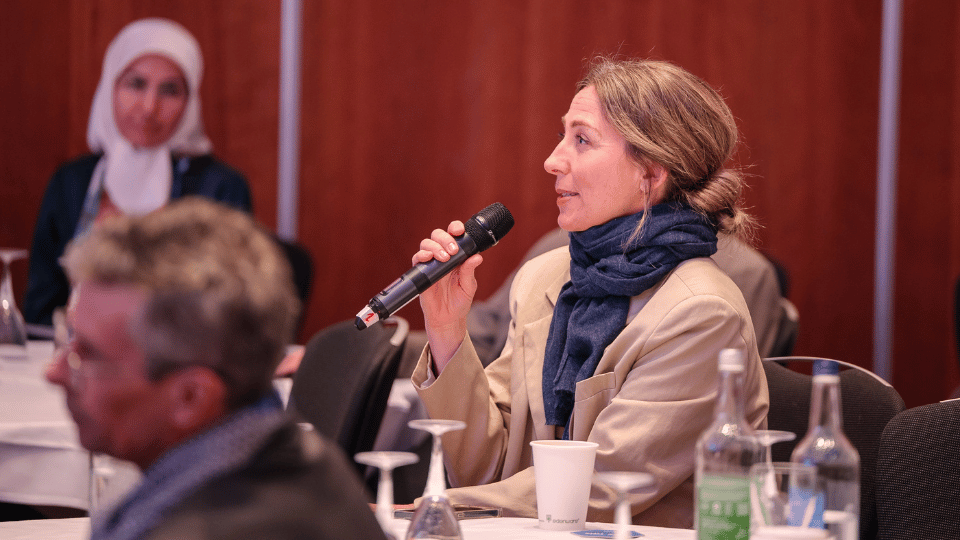
Join Biopharma Experts
Be part of the hottest conversations with like-minded attendees spanning all stages of drug development and make critical connections during our dedicated networking sessions.